
The Canada-Scotland Academic Network connects researchers and innovators to foster collaboration, ideas, and solutions that address global challenges.
At the Canada-Scotland Academic Network, we bridge innovative minds between Canada and Scotland. Our collaborative spirit nurtures an ecosystem of research excellence and cultural exchange that extends beyond borders. We are dedicated to solving the world's pressing issues through connectedness and cooperative efforts, embracing diversity and shared human values. Let’s create possibilities together!
The CSAN brings these themes together: international research collaboration, transdisciplinary thinking, professorial and graduate student engagement, and the power of academic networks and feedback loops. It is a space designed to connect people, ideas, and opportunities—strengthening the Canada–Scotland research and writing relationships while supporting the next generation of scholars, innovators, and leaders.
Canada and Scotland have strong historical and cultural ties, and existing academic partnerships serve these connections admirably. CSAN aims to contemporize academic research and social networking in selective disciplines. At the heart of these collaborations lies an interconnected ecosystem of higher education, technical and vocational education and training, business, commerce, innovation, along with the supports of health and wellbeing. While each discipline has its own focus, they are united by common themes that shape human and societal development and value creation for the common good.
More specifically, these disciplines are interconnected because they support:
In short, what they have in common is that they are interdependent pillars of a sustainable, innovative, and thriving society.
We believe in the power of working together to achieve shared goals and drive innovation through partnerships.
We embrace diverse backgrounds, perspectives and educational experiences to enrich our academic and cultural exchanges.
Our mission is to create meaningful, lasting change through research, writing, networking, and community engagement.
Facilitating joint research and academic writing efforts between Canadian and Scottish educational institutions to tackle common and global issues.
Promoting partnerships that enhance understanding and collaboration across disciplines and cultures.
Hosting events aimed at sharing knowledge, expertise, and fostering discussion on critical topics in education and society.
Connecting researchers and professionals to create synergies and explore new ideas.
Providing support and resources for researchers beginning their collaborations.
Helping disseminate innovative research findings to broader audiences.
Connecting Canada and Scotland Through Research Excellence

Executive Director: Nursing professor with research interests in palliative care and culturally sensitive rural & remote nursing. Health care in Gàidhlig speaking communities is a distinct future focus.

Sonya’s community-based research program is centred on the intersection of environment(s), health and wellbeing with a focus on nature connectedness for people with dementia, disabilities, and in palliative, end-of-life and grief care.
She collaborates with government and community groups locally, nationally and internationally to mobilize knowledge.
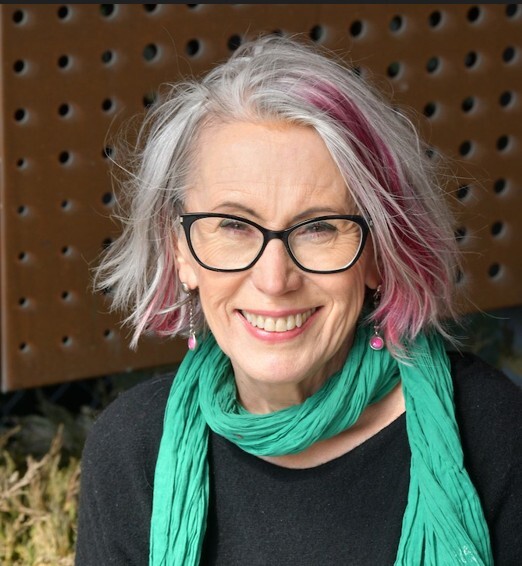
Leesa Wheelahan is an Honorary Research Fellow in the University of Oxford's on Skills, Knowledge and Organisational Performance (SKOPE), and an Honorary Senior Fellow in the Centre for the Study of Higher Education at the University of Melbourne. Professor Wheelahan's interests include Adult Education and Vocational Education.
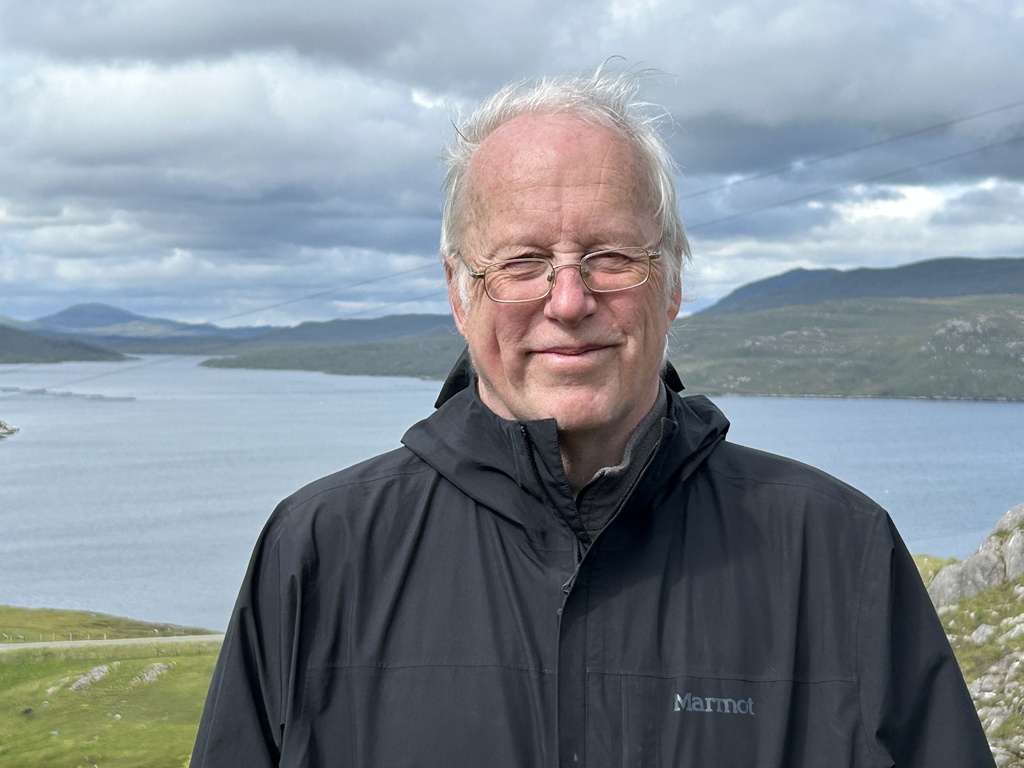
Professor Simon McGrath holds the established (original) Chair in Education at the University of Glasgow and is Associate Dean: Research Culture in the College of Social Sciences. He is a visiting professor in the Centre for Research on Education and Labour, University of the Witwatersrand. A former UNESCO Chair in International Education and Development, he is the 2025/6 President of the British Association for International and Comparative Education. He is currently an editor of the Journal of Vocational Education and Training, and a past editor of the International Journal of Educational Development. His main research is on the relationships between learning, work and development.

Focusing on Mathematics Education, Teacher Education, and Educational Research with particular attention to Mathematics Mindsets, Learners' Identity and Teachers' Identity. Former resident of Dumfries, Scotland.
Dr. Jeremy M. Law is a Senior Lecturer at the University of Glasgow (School of Education), with research spanning literacy development, developmental dyslexia, and quantitative methods in education.

The Steering Committee is a low-work, low commitment gathering of thinkers and dreamers. By no means is this 'one more thing.'
Contact us if you would like to be profiled.
Project Manager & Graduate Student Representative; Focusing on Educational Leadership and TVET. CSAN Web Co-Administrator.
CSAN aims to foster collaborative research, writing, and development between Canada and Scotland. The network involves professional academics and their graduate students. It respects the contributions of both research and teaching stream academics.
CSAN welcomes researchers from across the UK, Ireland, Europe, and the USA. As CSAN is newly formed, membership is a simple statement of “I’m in” sent to CSAN website. Next, follow the LinkedIn group to learn more about participants. Communication between participants is a private affair. There may be a list of participants published on the website later, pending Steering Committee and participant approval.
CSAN focuses on education, social policy, creative industries, and health. The transdisciplinary work is between Education, Technical and Vocational Education and Training (TVET), Business, Commerce, Innovation, and Health and Wellbeing.
Through events, networking opportunities, and potential funding initiatives.
Yes, institutions and organizations are encouraged to engage with CSAN.
You can join CSAN by signing up through our website, following on LinkedIn, joining the Steering Committee, and attending events.